Know what is true
Story, characters, brand rules, and approved production facts stay attached to the project.
Atlas Observe remembers the production.
We sent a secure link to .
Open it to finish creating your Atlas Observe account.
Already have an Atlas Observe account?
Atlas Observe remembers the production: the characters, performances, references, approvals, rejected takes, and canon that have to carry forward across AI video tools.
Built for Creative Directors, filmmakers, and AI production teams working across scattered tools, drifting references, and lost decisions.
Atlas Observe Prototype 2026
The current prototype is the beginning of that production-memory layer: a place for the Creative Director’s approved people, locations, performances, visual choices, brand language, rejected versions, and decisions to stay attached to the work.
Story, characters, brand rules, and approved production facts stay attached to the project.
Director notes, approvals, rejected versions, and revision reasons stay visible instead of getting lost between tools.
Runway, Kling, Higgsfield, CG, animation, or live action can change. The production memory remains.
Each new shot, episode, or monthly ad starts from the latest approved state instead of beginning again.
A local business may need a new ad every month with the same offer and spokesperson. An animated series may need recurring characters and story history to hold together across scenes. Atlas Observe keeps the approved production world intact no matter which tool makes the next shot.
Atlas Observe works alongside the tools you already use — Runway, Kling, Higgsfield, fal, Frame.io, and more. The prototype is free at app.atlasobserve.com, so testing production memory doesn't require another subscription first.
The tools can change. Your direction doesn't.
Atlas Observe stays out of the way so the Creative Director can stay in control of what matters.
Productions don't happen in a straight line — a film may pause between sequences, a campaign may return every month, a series may revisit a character years later. Atlas Observe remembers what you already decided, so you never have to start over.
What a character looks like, how they move, and the performance choices already approved.
Places, objects, and the visual direction already settled — including what was tried and rejected.
What's happened so far, and what still needs resolving.
What's already signed off, and what must stay true in the next shot.
A reference performance is something you already rely on — an actor's read, a stunt rehearsal, your own blocking pass. Atlas Observe watches that reference and identifies the choices that make it work. You review what it noticed, correct anything it got wrong, and approve the read — then Atlas Observe carries that performance forward.
Walking, turning, reaching, and other physical action.
Pointing, reacting, questioning, or withholding.
Excitement, concern, curiosity, and other emotional context.
Urgent, hesitant, deliberate, or interrupted.
Waiting, thinking, watching, and holding a moment.
Nothing becomes canon just because Atlas Observe observed it — you approve the interpretation first. (Internally, this system is called PAL; you don't need to know that to use Atlas Observe.)
North star: One dancer. One choreography. Three different AI video models. The same performance — carried by Atlas Observe, not owned by whichever renderer draws it. This is a thesis Atlas Observe is building toward, not a demonstrated result.
From rotoscope to motion capture, filmmakers have long found new ways to carry real performance into new forms. Atlas Observe continues that lineage. Read the full history in the Research Journal →
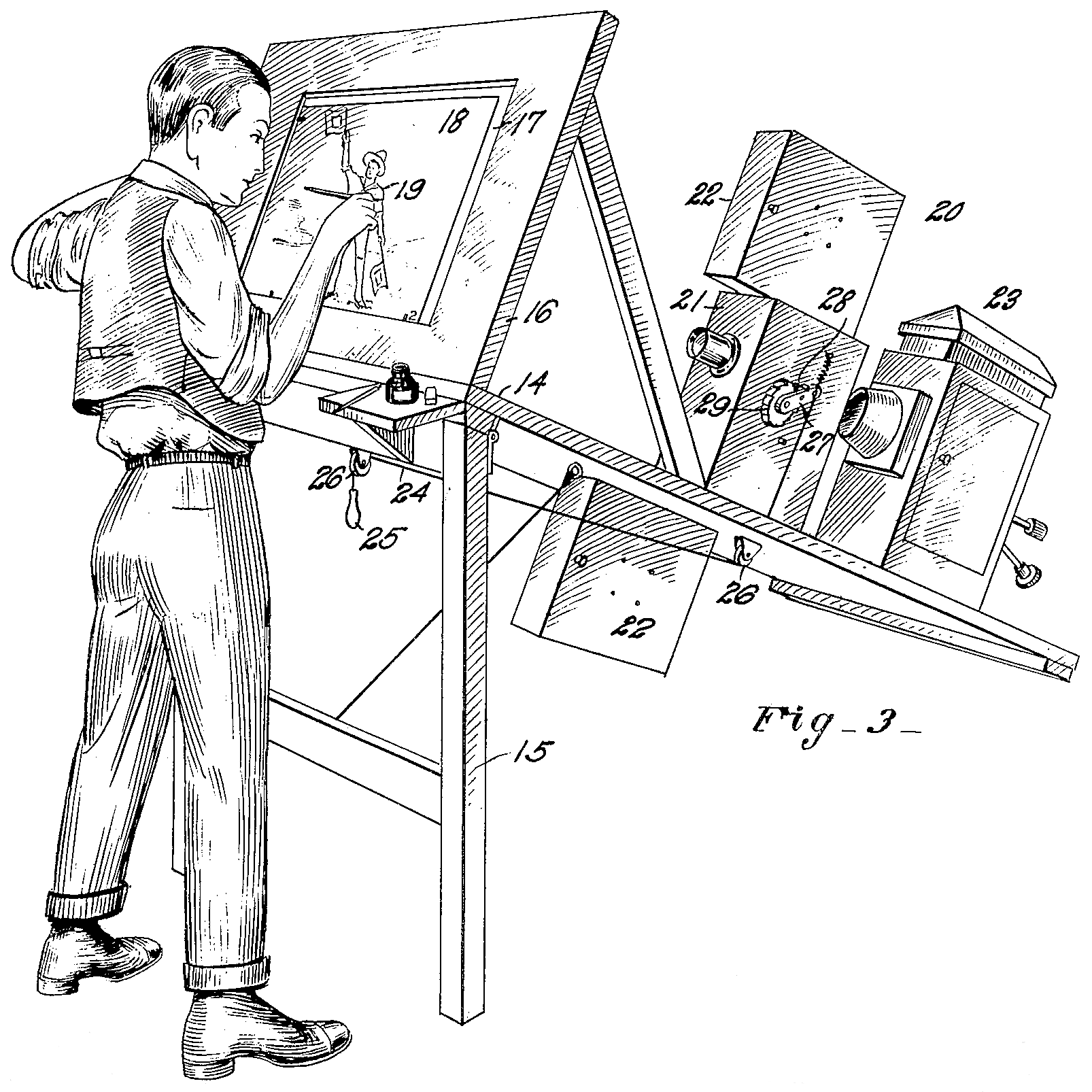
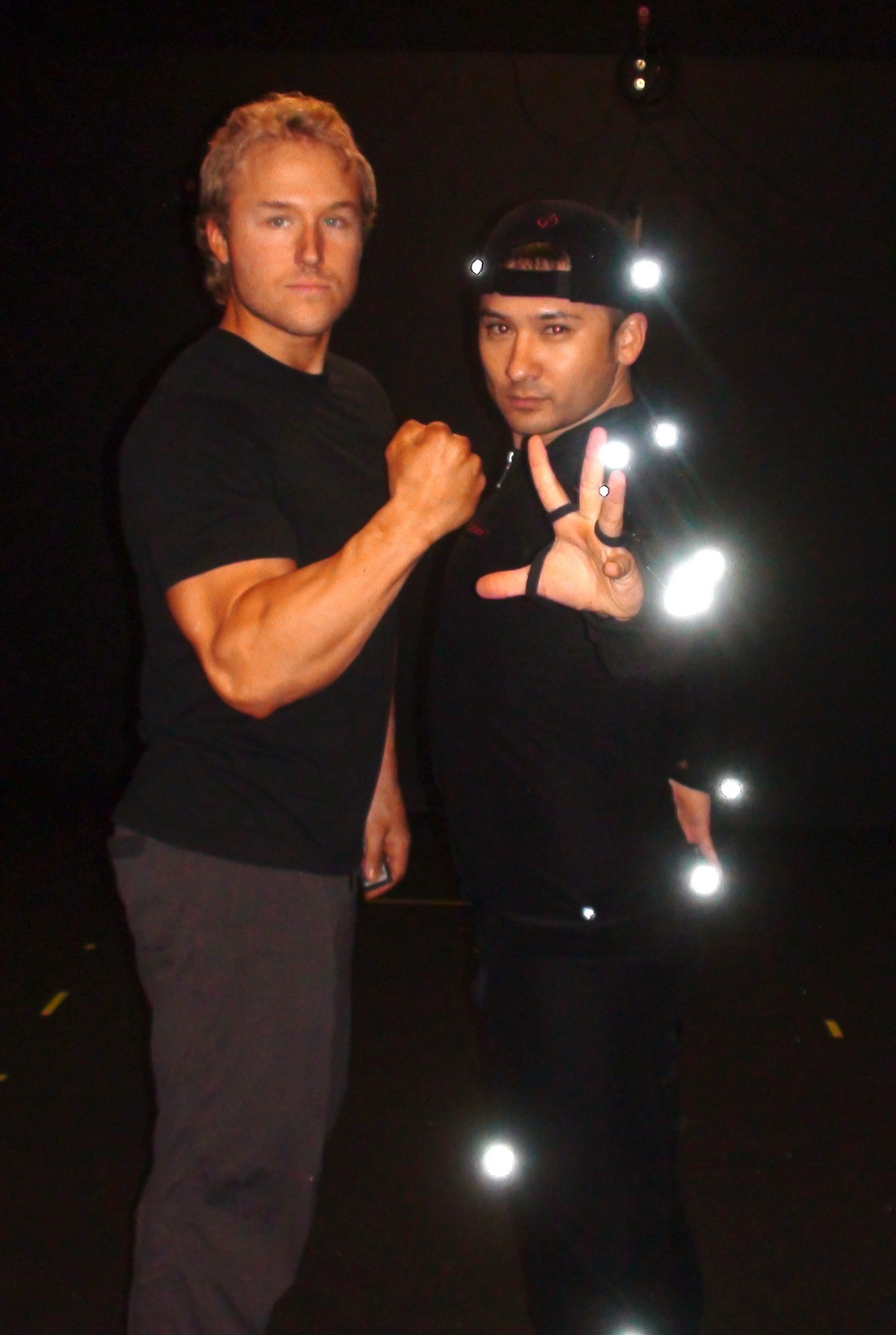
The journal records the work as Project Luna and PAL develop.
Why production memory matters when tools, renderers, and production schedules change.
A real performer, a real character, and the first reference set for Luna.
Developing a language for movement, motivation, timing, gesture, energy, emotion, and stillness.
The boundary between a human performance and a machine-generated one — and the research question it opens for Project Luna.
Read entry →AI agents are starting to sit above multiple generation platforms at once — external evidence for separating creative authority from rendering capability.
Read entry →The research collaboration testing whether an approved human performance can survive a change of AI video tool — and how ZOOPRA and Atlas Observe divide the work.
Read entry →POV is where Atlas Observe records positions that emerge from the work — not reactions to model releases, but ideas meant to stay useful as tools and renderers change.
When generating a shot becomes easy, remembering the film becomes essential.
Renderers are becoming faster, more capable, and more interchangeable. Atlas Observe is being built around a different responsibility: preserving the story, performance, continuity, and filmmaker decisions that give those images meaning.
Every few months, another generative model arrives capable of producing images and motion that would have seemed impossible only a short time ago. The shots are getting better, the models are getting faster, and the distance between an idea and an image keeps collapsing.
This is extraordinary for filmmakers. It also creates a new problem.
As generation becomes easier, the shot is no longer the hardest thing to preserve. The film is.
A film is more than the images that appear on screen. It contains hundreds of decisions about character, performance, geography, relationships, emotion, and continuity.
Generation platforms are becoming remarkably capable renderers, and that capability will keep improving.
A renderer fundamentally solves one problem: What should I generate?
A production must answer another: What must remain true?
Imagine a production containing two thousand generated shots. By shot 1,500, it needs to remember what happened in shot 37 — which characters know what, what's changed in the environment, which performance choices were already approved.
That accumulated understanding is canon — the connective tissue holding the film together as production spreads across renderers, models, and tools.
Filmmakers have used live-action performance reference for generations, not to reproduce coordinates but to understand performance — which is what Project Luna tests: whether an approved human performance can survive a change of renderer without the character having to begin again.
Today's most advanced model will eventually be replaced by something better. That's not a threat to this approach — it's the reason for it.
Story survives. Character survives. Performance survives. Continuity survives. Filmmaker decisions survive.
The renderer makes the shot.
Atlas Observe remembers the production.
Change the renderer. Keep the film.
These pages translate the same doctrine into the specific problems filmmakers search for.
One dancer, one choreography, multiple AI video models — and the same Director-approved intent. Read use case →
A ServiceMaster-style ad needs the same offer, tone, client approvals, and brand promise to survive the next tool. Read use case →
The doctrine lives in the Research Journal; the workflow is free at app.atlasobserve.com.
Atlas Observe is for the moment AI generation is powerful but the workflow feels scattered — inconsistent results, drifting characters, lost approvals.
It helps preserve AI production memory across scattered image and video tools — approvals, rejected versions, and what must stay true next.
No — Atlas Observe sits around your generators, whichever ones you bring.
The prototype is free to use, so testing production memory doesn't require another subscription.
Creative Directors, filmmakers, animators, and content teams who need consistency across shots, tools, and revisions.
The creative decisions belong to the filmmaker.Atlas Observe keeps them in the work.
A renderer may make the next shot. The director remains the authority over what must stay true, what changed, and what carries forward.