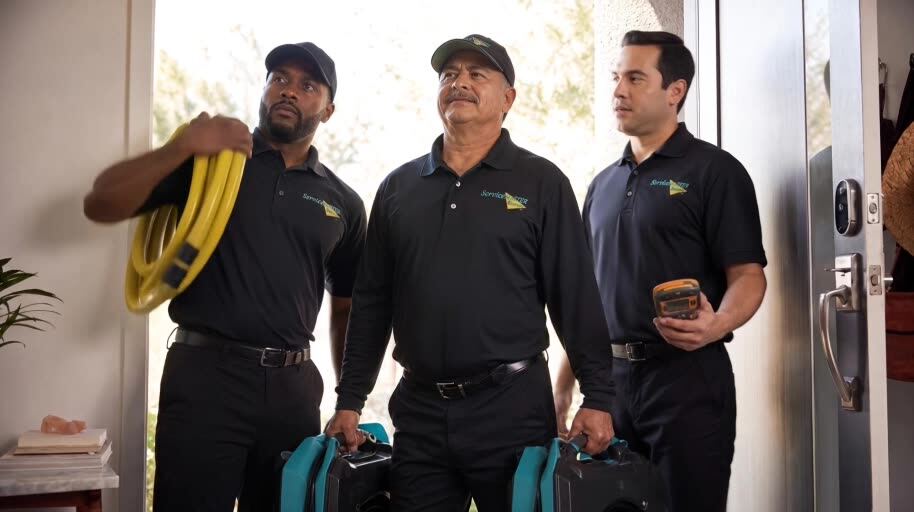
Approved, generated from a storyboard image with Nano Banana and Kling 3.0.
Approved shotA ServiceMaster-style AI ad exposed the real control problem: one water-damage shot needed the woman's line delivery, the handyman's performance, and the water FX to work at the same time. The final spot had to make do with the best available material and hide continuity errors in editing and sound design.
Approved, generated from a storyboard image with Nano Banana and Kling 3.0.
Approved shot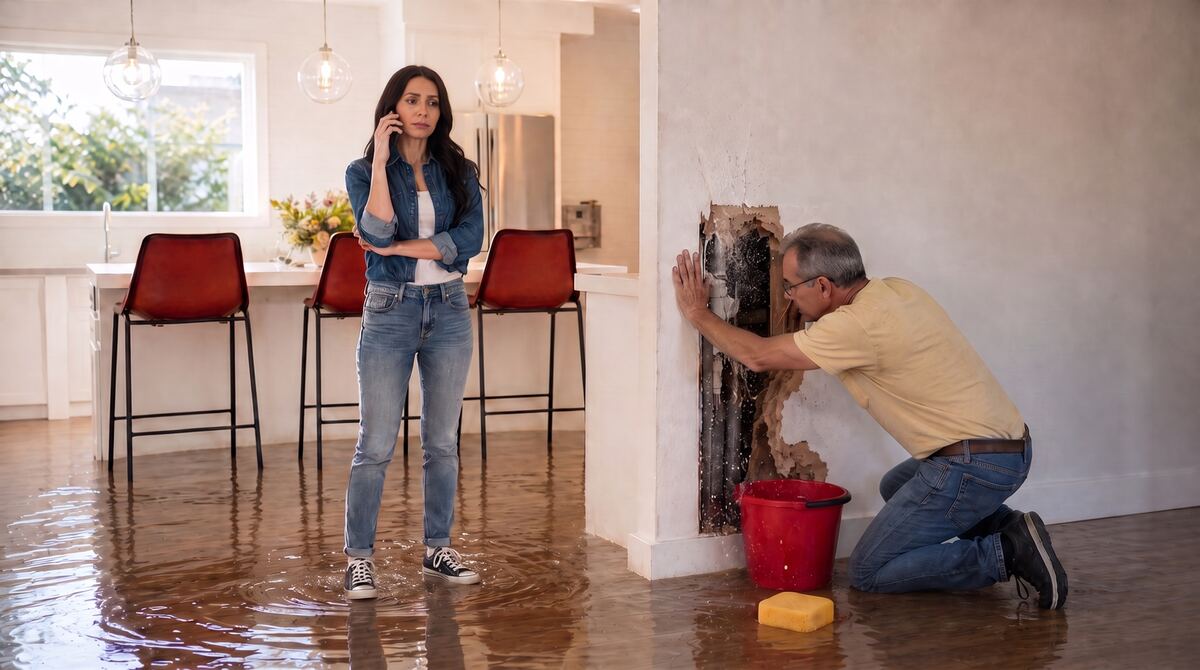
One of two source/iteration stills for the shot that would not land.
Rejected / iteration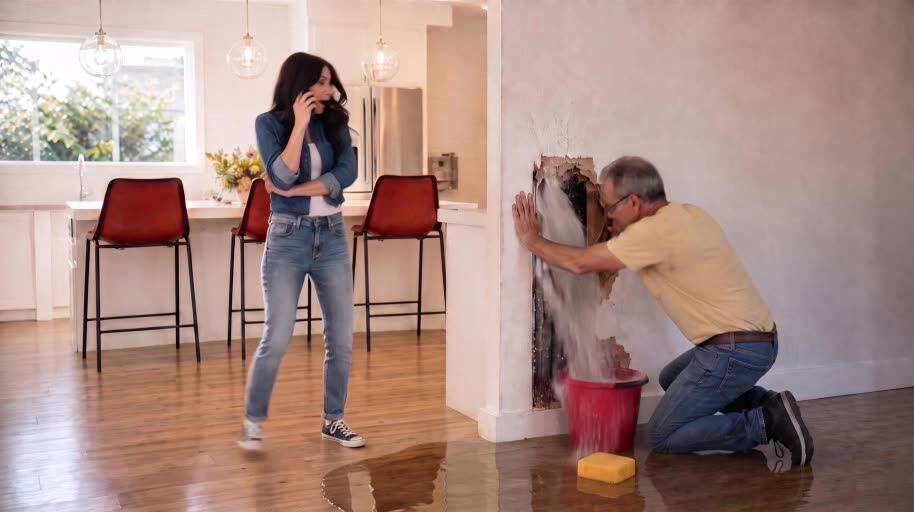
One of roughly 20 attempts where continuous leaking, line delivery, or restrained handyman performance broke.
Rejected takeThree approved shots came from storyboard images via Nano Banana and Kling 3.0: crew in the doorway, nervous homeowner, truck driving off.
The water-damage shot produced roughly 20 rejects. Continuous leaking, homeowner line delivery, and restrained handyman performance kept failing in different combinations.
When generation could not land the shot exactly, continuity was softened with editing and sound design. That is production work, not prompt magic.
This is not about whether AI can make a polished-looking frame. It is about whether the production can preserve intent across attempts: the storyboard image, the provider, the required performance, the water FX, the brand promise, and why each take was rejected.
Three generated MP4s are confirmed as approved ServiceMaster shots made from storyboard images using Nano Banana and Kling 3.0.
Eight rejected takes and two source/iteration stills are documented from the water-damage shot, out of roughly 20 rejected attempts overall.
The final edit had to make do with the best available generation and hide continuity errors through editing and sound design.
A Creative Director platform should track source storyboard, provider, take status, and what must remain true in the next version.
Create a believable ServiceMaster-style ad where the homeowner's emotional beat, the handyman's response, and the water-damage threat all support the same commercial story — with shots that cut together like an intentional ad, not a loose set of impressive AI clips.
The hardest shot had three moving targets: the water needed to continue leaking out of the wall after the initial pipe burst, the homeowner needed to deliver “I'm calling ServiceMaster,” and the handyman needed to read as defeated and in agreement that the job was over his head without becoming overly performative.
That made the shot expensive in attention — the team wasn't just choosing the prettiest render, it was judging whether the shot could perform inside the edit.
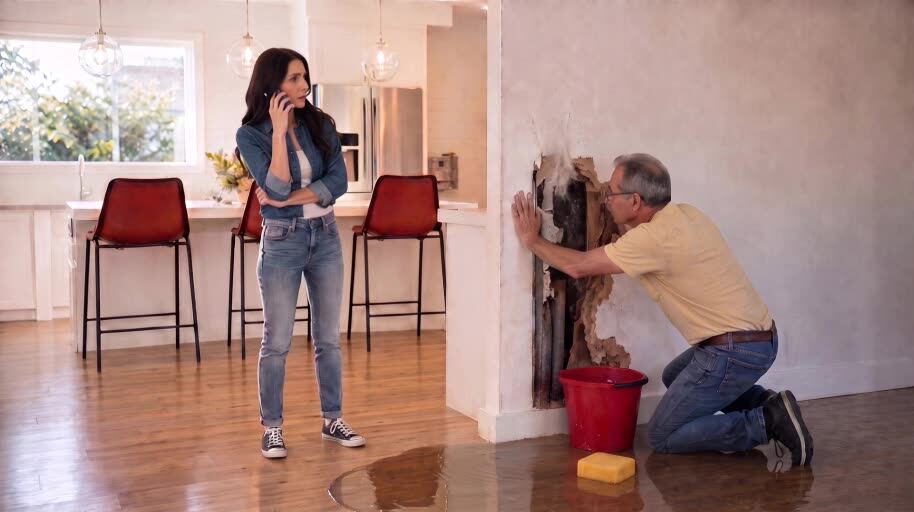
Most takes solved one requirement while breaking another — a frame from the pile that came close but didn't clear the bar.
After roughly 20 rejected takes, the generation tools still couldn't make every requirement land exactly — the final piece had to make do with the best available take, with the remaining continuity gaps covered in the edit.
Atlas Observe should remember why each take failed, not just that it did — the difference between learning from iteration and simply burning through attempts.
A Creative Director should be able to see: this take failed water continuity, this one failed the homeowner line, this one made the handyman too performative, and this one was closest but required edit coverage.
Atlas Observe becomes the production-memory layer around the tools: preserve the approved beat, track every take, mark what became canon, and carry the decision history into the next prompt, provider, or edit.
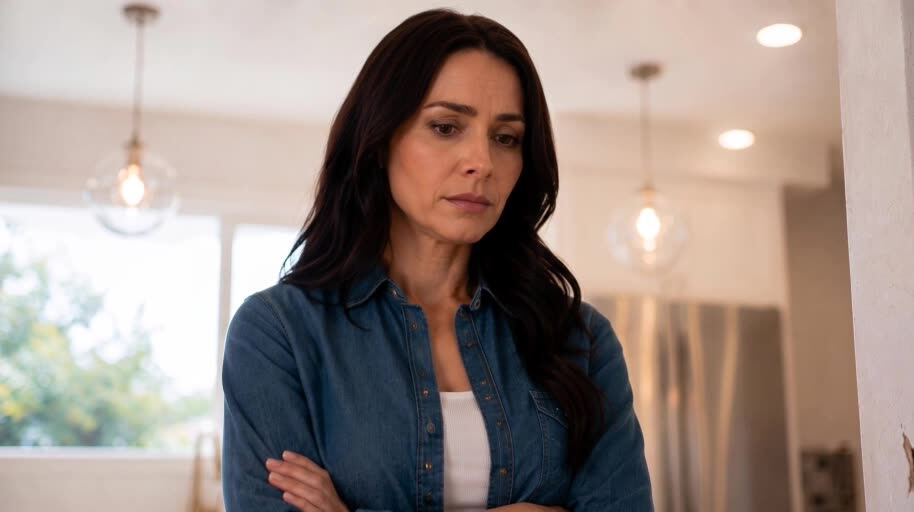
Poster frame from the approved homeowner reaction beat.
Approved shot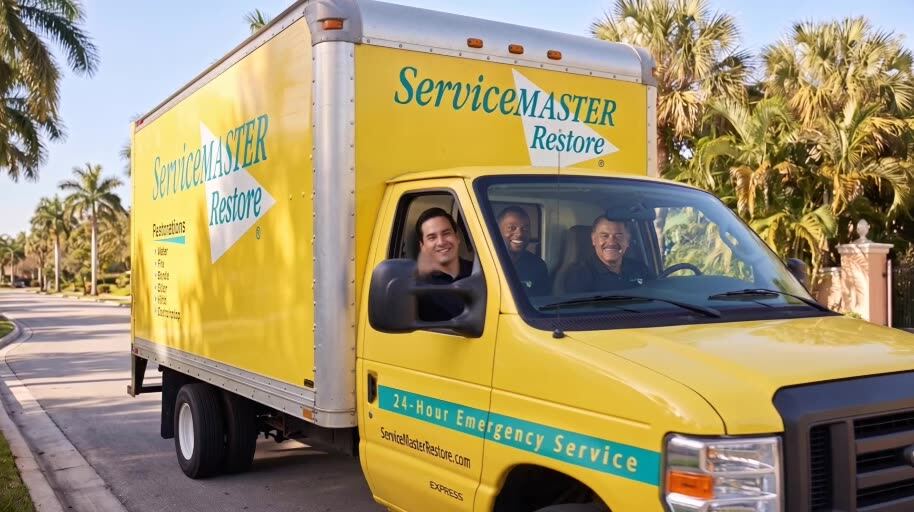
Poster frame from the approved service response beat.
Approved shotContinuous water leakage, homeowner line delivery, restrained handyman performance, edit coverage, and sound-design rescue.
Analysis